ספרי החודש: ספטמבר 2010
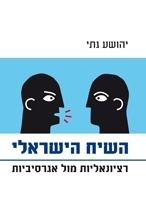
גתי, יהושע. השיח הישראלי, אגרסיביות מול רציונאליות. פרדס: 2010.
חיינו הציבוריים והאישיים בנויים על מילים שהן בבואה של המחשבה ובסיס להבהרת עמדות, לניסוח קווי פעולה ולהחלפת רעיונות ודעות. החברה הרוויה בויכוחים השכילה לפתח את אומנות הדיבור כמכשיר לליבון העימותים ולאו דווקא כתשתית להעצמתם. אלא שהשיח הישראלי הוא שיח זועף החותר לנצח בכל מצב תוך ראית הנמען כאויב שיש להדבירו. השיח האלים הוא יצרי וספונטני. שיח האלימות איננו מעוניין בתובנות אלא בשליטה, והוא מביא להחרפת הסכסוכים. מה פשרו של השיח האלים השופך להבות, ומה הנזק שהוא גורם לשיח הציבורי הישראלי? השיח הספונטני גובר ומתחזק בעוד שהאלטרנטיבה, היא השיח הרציונאלי , מזנבת מאחור. הכך ננהל חברה דמוקרטית האמורה לעודד ויכוח בין משתתפיה? אלו הן השאלות הנבחנות בספר שלפנינו. אנו רואים שאלימות הרחוב פלשה גם למגזר השיח הציבורי והבין-אישי ויצרה שיח שהוא דל נימוקים וחסר תובנות. ההשלכות הן משמעותיות כי הדמוקרטיה המעודדת פלורליזם וויכוח לשם תובנה עלולה ליפול קרבן כתוצאה מכניעה לכוחניות מילולית על חשבון שיקול הדעת. השיח הכוחני והיצרי מועד לבערות העלולה להוביל להחלטות פזיזות ונמהרות המוכרעות בכוחה של המילה האמוציונאלית. הספר בוחן את שתי הגישות של השיח הרציונאלי מול האמוציונאלי בגילומיהן במרחב הציבורי. המחקר הישראלי והחינוך לשיח דמוקרטי הזניחו את דפוסי שיח הקרבה המושתת על מתודת הרטוריקה הארגומנטטיבית הקלסית והחדשה כאבן הפינה לשכנוע הבנוי על מציאת מכנים משותפים וטענות תקפות רציונאליות תוך כיבוד עמדת הזולת. מטרתו של הספר להחיות את הדיון הציבורי והאישי כשיח של שכנוע שבו אין מנצחים ואף אין מפסידים אלא קיימים פולמוסים שבעליהם מכירים בחילוקי הדעות ביניהם ,וחותרים להציג דרך מילים הולמות ומכנים משותפים שיח רציונאלי של הבנות. אחת הסוגיות הקורעות קרעים בחברה הישראלית היא העימות החילוני דתי שמתבטא במתח בין הסוברניות הממלכתית לגושפנקא הדתית רבנית. הספר עוסק בסוגיה המעלה בלהבות את החברה בישראל, ומנתח שיח זה כעולה מהעיתונות הדתית לאומית מזה והחרדית מזה. הספר מציג גישות לדרכי שיח מקרבות בין חילוניים לדתיים הנשענות על תורות הפולמוס בדרך של בניית מכני טיעון משותפים הפותחים פתח לתובנות הדדיות. שהלא בסופו של דבר, חברה בריאה נמדדת בשיח המרחב הציבורי שלה כבמה להחלפת דעות שהיא בבואה של שפיות החברה, ורהיטות נימוקי מקבלי ההחלטות ומבקריהם.

Book of the Month, September 2010
Ariel Merari, Driven to Death: Psychological and Social Aspects of Suicide Terrorism, Oxford University Press, Oxford, 2010

Suicide attacks are the definitive form of terrorism. More than any other terrorist tactic, they convey the ruthless willingness of present day terrorists to kill themselves for killing others. Since September 11, 2001 the number of suicide attacks around the world has risen dramatically, causing on average far more fatalities per attack than other forms of terrorism.
What drives a person to kill himself for killing others, in the name of a political or religious cause? This book is the first to report a series of studies in which failed suicide bombers and organizers of suicide attacks were subjected to systematic clinical psychological interviews and tests and were compared to non-suicide terrorists. This direct psychological examination enabled a first-hand assessment of the personality characteristics and motivation of suicide bombers. Additional interviews conducted by seasoned area specialists provided a comprehensive picture of the ways by which the suicide bombers were recruited, prepared and dispatched to their planned death, as well as how they felt and behaved along this road. This information was supplemented by data derived from interviews with the families of suicide bombers who died carrying out their attacks.
The psychological makeup of suicide terrorists is put into context in other chapters of the book, so as to provide an inclusive understanding of this phenomenon, which takes into account public atmosphere and the ways in which terrorist groups influence the suicide candidates. The book examines the characteristics of suicide terrorists in light of the most influential theories of suicide and offers a critical and innovative analysis of current explanations of suicide terrorism.
CONTENTS
1. Introduction 3
2. The Spectrum of Suicide for an Ideological Cause 13
3. Demographic Characteristics of Suicide Bombers:
A Global View 61
4. Palestinian Suicide Bombers in the Eyes of Their Families 83
5. A Controlled Study of Would-Be Suicides 103
6. Palestinian Organizers of Suicide Attacks: Psychological
Characteristics and Decision Making 147
7. Public Atmosphere 173
8. Suicide Terrorism in the Light of Suicide Theory 199
9. Current Explanations of Suicide Terrorism 225
10. Conclusion: An Integrative View of Suicide Terrorism 261
References 281
Appendix 1: Palestinian Populationג€™s Support for, or Opposition to,
Armed Operations and Suicide Attacks 295
Index 305
תגובות
השארת תגובה